Scott Colom Makes History as First Black U.S. Senator from Mississippi Since Reconstruction Amid Shifting Voting Rights Landscape
The 2026 midterm elections in the United States saw Scott Colom elected as the first Black U.S. Senator from Mississippi since Reconstruction, a victory attributed in part to Black voters' mobilization fueled by outrage over the Supreme Court's dismantling of…

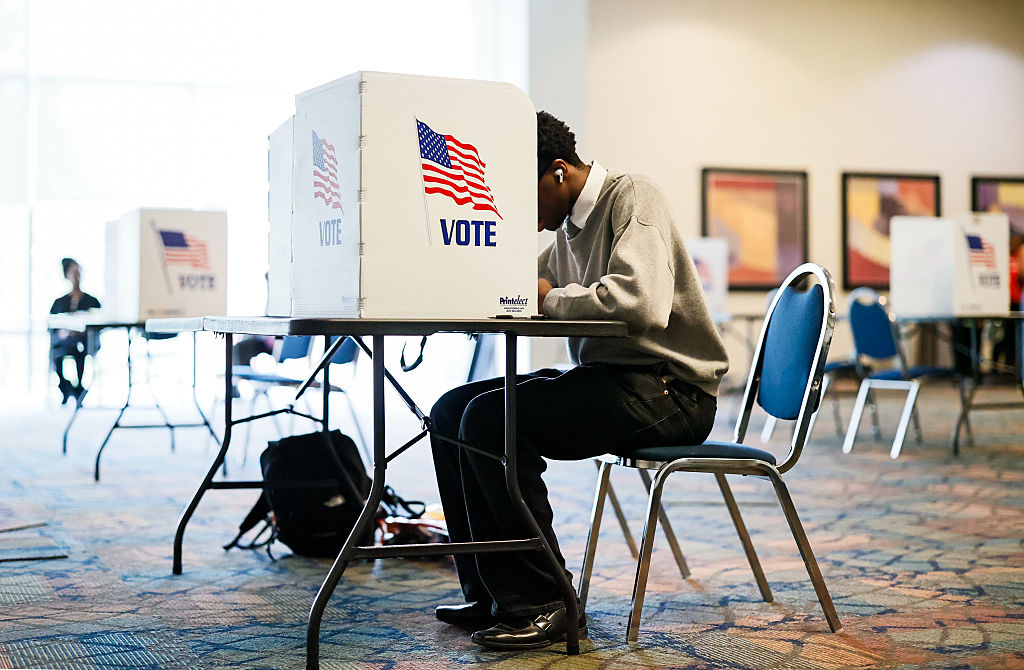
 Baton Rouge, LA, November 18, 2026 — The 2026 midterm elections marked a significant moment in American political history as Scott Colom secured a U.S. Senate seat, becoming the first Black individual to represent Mississippi in the Senate since the Reconstruction era.
Colom’s victory is viewed by many observers as a direct reflection of heightened political engagement among Black voters. This increased mobilization is reportedly fueled by widespread dissatisfaction and outrage stemming from the Supreme Court’s decisions that have altered the landscape of the Voting Rights Act.
While the push for increased voter turnout, particularly among Black communities, appears to have been successful in certain areas leading to Colom’s historic win, the broader implications of the Supreme Court’s actions on voting rights continue to be felt across the nation. Reports indicate that the weakening of these protections has coincided with a reduction in Black representation in congressional districts in other states.
Specifically, states such as Louisiana and Tennessee have seen Black voters lose representation in their respective congressional districts. This outcome is attributed to the redrawing of electoral maps, a process that has been influenced by the evolving legal framework surrounding voting rights.
The trend observed in the 2026 midterms highlights a complex interplay between grassroots activism, judicial rulings, and electoral outcomes. The election of Scott Colom underscores the potential for significant representation shifts when voter participation is galvanized, while the losses of representation in other districts point to the ongoing challenges and consequences of changes to voting rights legislation.
The specific details regarding the Supreme Court’s dismantling of the Voting Rights Act, including the exact nature of the rulings and their effective dates, were not provided in the trend summary. Similarly, the exact extent of increased turnout in specific areas and the precise number of congressional districts affected by representation loss in Louisiana and Tennessee were not detailed.
Story summarized from the original created by Kevin T. Morris on time.com, see more information here.
Media gallery