
Keeping first responders connected during wildfires
AT&T reports wildfires are increasing in frequency and severity, emphasizing the need for reliable communication for
Press Release Disclaimer: This is a press release distributed through the XPR Media network. It has not been independently verified by our newsroom.
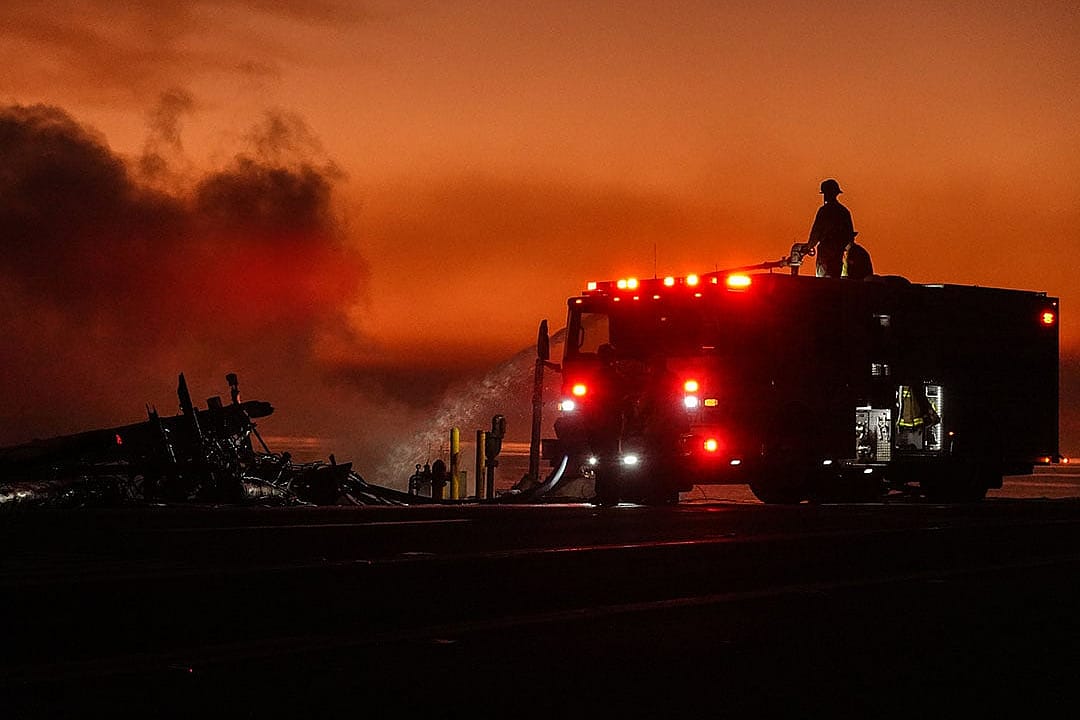

Jason Ryan // NurPhoto via Getty Images
When a wildfire starts, conditions can change in minutes, and first responders need a reliable communication system to keep up.
During wildfires, first responders put themselves in harm’s way to contain fires before they spread. Firefighters, emergency managers, members of law enforcement and other personnel on the ground rely on those communication connections to coordinate resources, share information and respond to changing conditions.
AT&T’s wildfire response efforts, including support delivered through FirstNet — a nationwide public safety broadband network established by Congress — provide insight into how telecommunications companies support first responders and work with public safety agencies to maintain connectivity when traditional infrastructure is compromised.
Wildfires are becoming more frequent
If it seems like wildfires are happening more often these days, that is because they are. The World Health Organization (WHO) reports that wildfires are increasing in both frequency and severity. According to NASA, extreme wildfire activity has more than doubled worldwide, while wildfires in the U.S. have been getting larger.
In the western United States, the wildfire season has extended from about five months in the 1970s to more than seven months today. Although wildfire activity often peaks in August, the threat can extend well beyond the summer months.
The increasing number of wildfires puts an enormous strain on first responders. That is why it is vital that they have the resources they need to communicate while fighting fires.
Why reliable communication matters
When an extreme event like a wildfire occurs, action needs to be taken immediately. Local officials need a coordinated emergency response, including firefighters and other emergency personnel. These responders need to be able to share information about fire conditions and changing hazards in real time, providing valuable details to multiple jurisdictions.
Communication from these on-the-ground responders helps officials coordinate resources and aid in making evacuation plans. If communication is disrupted, lives could be impacted.
“Wildfires can move quickly, disrupt power and communications, and place significant demands on first responders and local communities,” said Corey Anthony, Senior Vice President of AT&T Network Operations.
The Los Angeles wildfires in 2025 damaged or destroyed more than 12,000 structures, making it one of the most destructive fires in history. Sixteen-thousand first responders and recovery personnel were involved in the disaster response, an example of why communications infrastructure is so important during a wildfire.
But maintaining connections during a wildfire is not as simple as keeping a cell tower online. Fire, power outages, damaged infrastructure and difficult terrain can all create challenges for the networks that first responders rely on.
What can disrupt communications during a wildfire?
Telecom companies make significant investments to withstand natural disasters and other environmental factors, but Mother Nature sometimes has its own plans. A wildfire doesn’t have to topple a cell tower to disrupt communications. Because networks rely on interconnected power and infrastructure, damage anywhere along the chain can still knock out service. Wildfire conditions can affect communications in a variety of ways:
- Physical damage to network infrastructure, such as fiber or other backhaul disruptions
- Loss of commercial power or planned utility shutoffs, requiring a reliance on backup power solutions
- Difficult or unsafe access to damaged equipment
- Remote terrain
As fires spread, telecom companies and public safety agencies must work together.
“Wildfire response often takes us into remote, rugged and rapidly changing environments, where power may be unavailable and traditional communications infrastructure may be damaged or inaccessible,” said Chris Stratmann, Associate Director, FirstNet Response Operations Group (ROG), AT&T.
How telecom companies coordinate with public safety during a wildfire
When infrastructure is damaged during a wildfire and traditional connectivity methods are no longer an option, backup communications solutions can be deployed to ensure there is no gap.
In 2022, on an extremely hot, dry day, a wildfire broke out near a remote area outside of Boulder, CO. Because it began near the National Center for Atmospheric Research office, it was dubbed the NCAR fire.
Within two hours of first responders’ arrival on the scene, Boulder city officials received word from the incident command center that first responders on the ground were having trouble communicating by phone or text. In response, a small, portable cell site was brought to the area, restoring connectivity within minutes. These portable cell sites are dedicated to public safety and are available exclusively to public-safety agencies 24/7 at no cost.
“By coordinating closely with federal, state and local agencies and deploying satellite-enabled portable communications assets, telecommunications response teams help first responders maintain critical connectivity throughout response and recovery,” said Stratmann.
Once a communications need is identified, the next challenge is determining how to provide and maintain connectivity in a dangerous, difficult environment.
How communications companies help maintain connectivity
When a damaged or inaccessible cell site can’t provide coverage, a SatCOLT (Satellite Cell on Light Truck) offers a temporary connectivity solution. These deployable assets can also provide power and Wi-Fi to ensure the latest information is getting to public safety officials and local residents.
The Ross Fire in north Texas began in late August 2026 and was contained weeks later. To address communication needs, additional tools beyond a SatCOLT, including portable generators, a CRD (Compact Rapid Deployable) and a 14-foot Wi-Fi charging trailer, were deployed to the scene.
Maintaining connectivity during a wildfire is only part of the challenge. Once the fire is contained, communications teams must also assess damage and help restore the services communities depend on.
What happens after the fire?
Depending on the severity of the wildfire, getting infrastructure back up and running following a wildfire may take several days, weeks or even months to restore regular service. In the case of the wildfire that destroyed Los Angeles County neighborhoods, fewer than a dozen homes have been rebuilt one year later.
Following major natural disasters like wildfires, the telecom industry works to provide resources to affected communities, offering a range of support during recovery. This includes shipping new devices and batteries to those impacted and providing mobile charging stations in affected regions while crews are working to repair infrastructure and restore full service.
As wildfires become more frequent, reliable communication is more important than ever. When public safety agencies, first responders, and telecom providers work together and have resilient communications infrastructure and safeguards in place, emergency personnel can stay connected when it matters most.
This story was produced by AT&T and reviewed and distributed by Stacker.

