Wisconsin Recommends Earlier MMR Vaccine for Infants Amidst Measles Outbreak
Amidst a measles outbreak, the Wisconsin Department of Health Services (DHS) is recommending that certain infants receive the MMR vaccine earlier than usual.

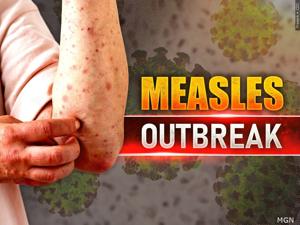
 Madison, WI, November 5, 2026 — The Wisconsin Department of Health Services (DHS) has issued a recommendation for certain infants to receive the Measles, Mumps, and Rubella (MMR) vaccine at an earlier age than is typically advised. This adjustment in guidance comes in response to an ongoing measles outbreak.
The DHS has not specified which infants fall under the category of “certain infants” for this early vaccination recommendation. The standard schedule for the MMR vaccine typically involves a first dose around 12 to 15 months of age and a second dose between 4 and 6 years of age. Details regarding the specific age modification for this at-risk group, or the exact number of measles cases contributing to the current outbreak, were not immediately available.
Measles is a highly contagious viral illness that can lead to serious health complications, including pneumonia, encephalitis (swelling of the brain), and death. Vaccination is considered the most effective way to prevent measles.
Health officials are urging vigilance and adherence to vaccination schedules to curb the spread of the disease. The specifics of the outbreak, including its origin and geographical spread within Wisconsin, were not provided in the summary. Further details on the revised vaccination timeline and public health advisories are expected from the Wisconsin DHS.
Story summarized from the original created by Chad Thompson on www.wkow.com, see more information here.
Media gallery